## Exploring Canada’s Hidden Botanical Wonders: A Deep Dive into Rare Psychoactive Flora
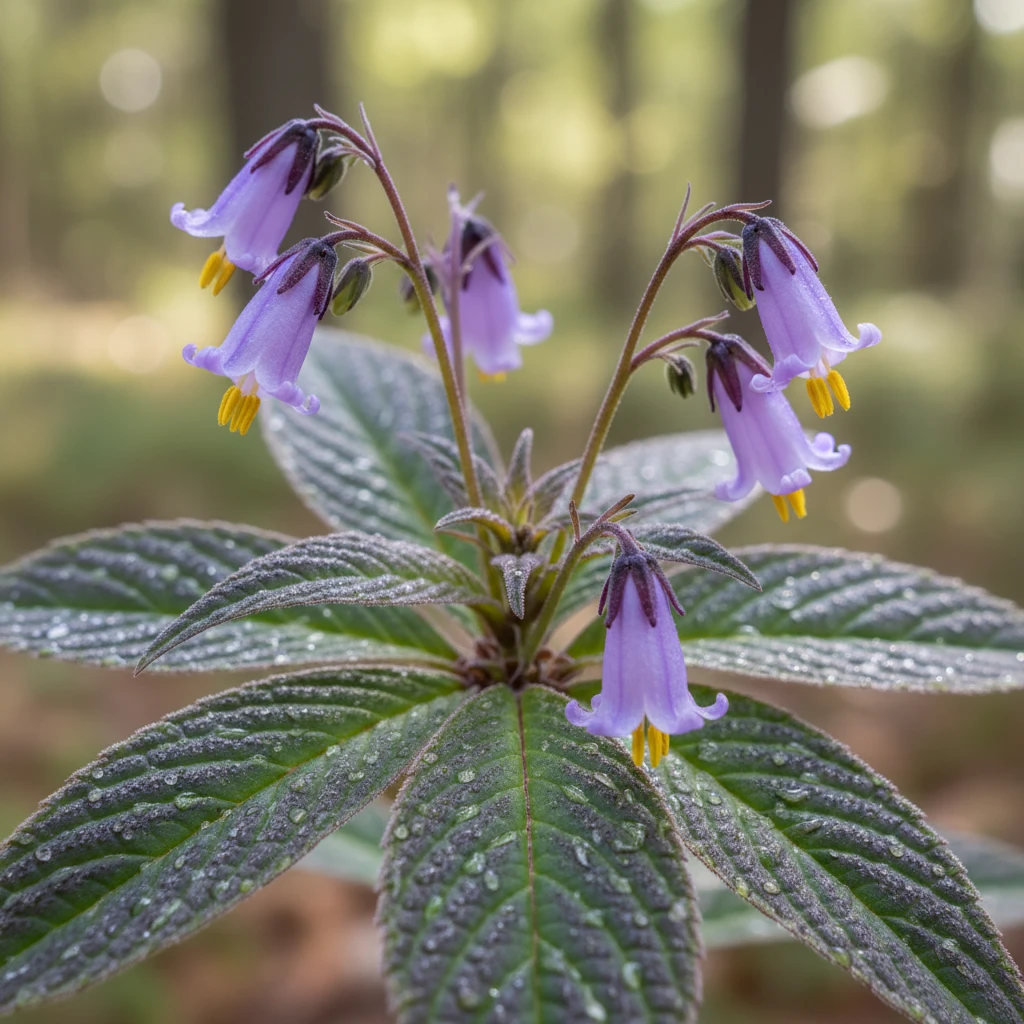
Canada’s vast and varied ecosystems are home to an astonishing array of plant species, many of which remain largely undiscovered by the general public. Among these are several rare psychoactive plants, possessing properties that have been revered and utilized by indigenous communities for millennia. These botanicals, distinct from more commonly known psychedelics, offer unique experiential pathways and potential therapeutic benefits. Delving into this realm necessitates a commitment to **informed research and ethical acquisition**, ensuring respect for both the plants and their cultural significance. Factors to consider when exploring these rarer species include their specific psychoactive compounds, the traditional contexts of their use, and the environmental conditions necessary for their cultivation or sustainable harvesting. For instance, understanding the delicate balance required for a plant like _Silene capensis_ (Wild Dagga) to thrive in Canadian climes, or the specific alkaloids present in _Lophophora williamsii_ (Peyote) if it were legally accessible, highlights the complexity involved. The journey into these rare psychoactive plants is not merely about their effects but also about appreciating their place within natural history and human culture.
Understanding Psychoactivity: What Makes These Plants Unique?
The Science Behind Plant-Based Psychedelics
The psychoactive effects of plants stem from the presence of specific chemical compounds that interact with the human brain and nervous system. These compounds, often alkaloids or other complex organic molecules, can mimic or modulate the action of neurotransmitters. In Canada, the exploration of psychoactive plants, both common and rare, hinges on understanding these biochemical mechanisms. For example, the psilocybin found in magic mushrooms interacts with serotonin receptors, leading to altered perception and mood. Similarly, the ibogaine in the iboga root, a plant with deep spiritual significance in Central Africa but cultivated and studied globally, acts on multiple neurotransmitter systems, including dopaminergic and serotonergic pathways, leading to profound introspective experiences. The specific structure and concentration of these compounds within a plant dictate the intensity and nature of its psychoactive effects. Research into these compounds is ongoing, seeking to understand their full therapeutic potential and to differentiate the effects of naturally occurring compounds from synthetic analogues.
Mechanisms of Action: How They Affect the Brain
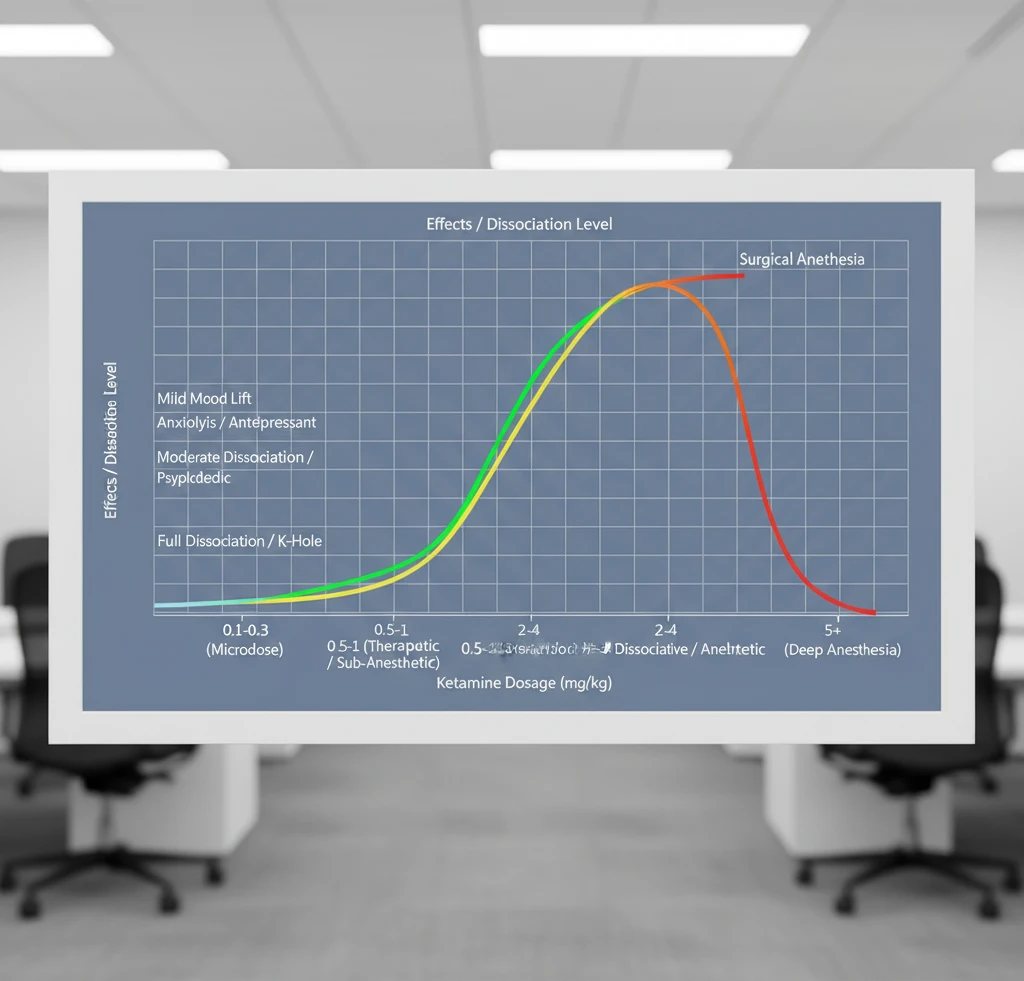
Psychoactive plants exert their influence primarily by interacting with the brain’s complex network of receptors and neurotransmitters. The most well-studied mechanisms involve the **serotonin system**, particularly the 5-HT2A receptor, which is a primary target for classic psychedelics like psilocybin and LSD. Activation of these receptors can lead to profound alterations in perception, cognition, and emotion. For instance, compounds found in some rare botanicals might influence dopamine pathways, affecting mood and motivation, or interact with NMDA receptors, as is the case with ketamine, which has found applications in treating depression. Understanding these mechanisms is crucial for responsible use and for exploring the therapeutic potential of these substances. This knowledge helps in predicting potential effects, managing risks, and discerning between different types of psychoactive experiences. For those seeking specific therapeutic outcomes, detailed knowledge of how a substance interacts with the brain is paramount. For example, individuals researching therapeutic applications might look into studies regarding the potential of certain compounds to foster neuroplasticity.
Key Psychoactive Plants Available in Canada: A Categorized Overview
Sacred Seeds and Roots: Iboga and its Properties
Ibogaine, derived from the root bark of the _Tabernanthe iboga_ plant, is a potent psychoactive substance with a complex profile of effects and a significant history of traditional use, particularly in West African spiritual ceremonies. In Canada, while ibogaine is not widely cultivated, its derivatives and related compounds are subjects of research for their potential in treating addiction and other mental health conditions. The experience with iboga is often described as profoundly introspective, with vivid dream-like states and a thorough examination of one’s life. Its primary psychoactive compound, ibogaine, interacts with a variety of neurotransmitter systems, including serotonin, dopamine, and NMDA receptors. This broad action is believed to be responsible for its unique therapeutic effects, particularly in interrupting substance dependencies. However, ibogaine also carries significant risks, including potential cardiovascular issues, and its use requires careful screening and medical supervision. Understanding the nuances of this powerful root is essential for anyone considering its exploration, emphasizing the importance of consulting with experts and adhering to strict safety protocols. Resources such as the research on ibogaine’s role in pain management highlight its complex pharmacological profile.
Visionary Botanicals: Ayahuasca Components and Alternatives
Ayahuasca, a traditional South American brew, is renowned for its powerful visionary and spiritual effects. It is typically made from two main plants: _Psychotria viridis_ (chacruna), containing N,N-Dimethyltryptamine (DMT), and _Banisteriopsis caapi_ (yagé vine), which contains monoamine oxidase inhibitors (MAOIs). These MAOIs are crucial as DMT is orally inactive without them; the MAOIs prevent its breakdown in the digestive system, allowing it to reach the brain. While the brew itself is not native to Canada, DMT, a key component, is found in several Canadian plants like _P. sibirica_ (P. smurf). The experience is characterized by intense visual and auditory hallucinations, profound emotional release, and deep spiritual insights. It is often used in a ceremonial context for healing and self-discovery. Responsible exploration necessitates understanding the specific DMT-containing plants available and the importance of synergizing compounds if one were to consider creating such a brew, though direct ingestion of raw plant materials containing DMT without proper preparation can lead to unpredictable effects. Given the complex nature of these brews, individuals often seek to understand the components separately; for example, learning about purchasing DMT online in Canada can be a starting point for understanding one aspect of visionary botanicals.
Unique Leafy Companions: Other Rare Psychoactive Flora
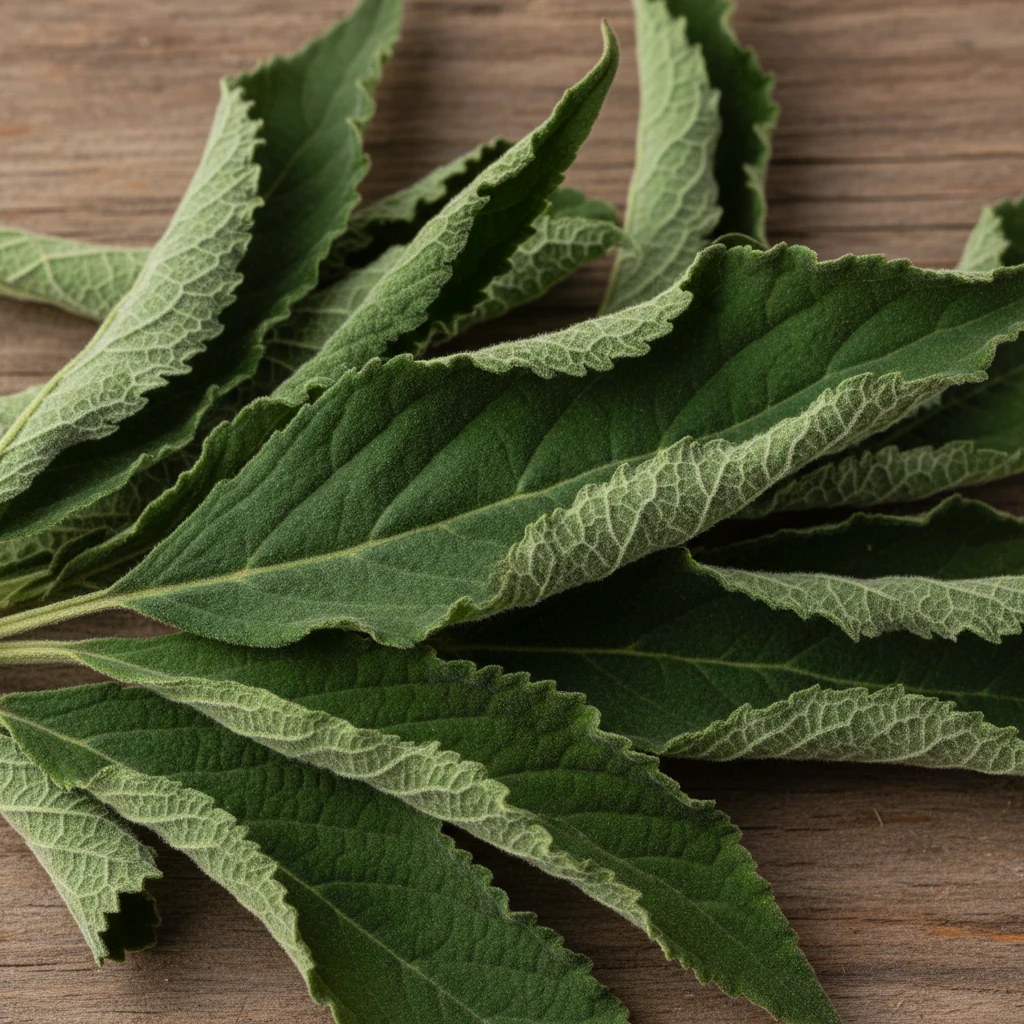
Beyond the more recognized psychoactives, Canada is home to a variety of less commonly known plants with fascinating psychoactive properties. These might include species traditionally used for their stimulating, entheogenic, or medicinal effects. For instance, certain varieties of wild mints or other indigenous plants might contain compounds that, in specific preparations or dosages, can induce altered states of consciousness or profound relaxation. The **Sage family (Salvia)**, in particular, offers a diverse range of species with varying psychoactive profiles, some of which are native or can be cultivated in Canada. _Salvia divinorum_, though not indigenous to Canada, is a potent visionary plant whose psychoactive properties are well-documented and often sought by those interested in unique plant-based experiences. Its primary active compound, salvinorin A, acts on kappa-opioid receptors, producing intense, short-lived dissociative and hallucinatory effects distinct from classical psychedelics. Exploring these rarer botanicals requires meticulous research into their identification, preparation methods, and potential effects, as their potency and safety profiles can vary significantly. Discovering these rare psychoactive plants in Canada offers a glimpse into a broader spectrum of consciousness-altering flora.
Navigating the Legal Landscape of Psychoactive Plants in Canada
Federal Regulations and Provincial Variations
In Canada, the legal status of psychoactive plants and their derived compounds is complex, governed by federal legislation such as the Controlled Drugs and Substances Act (CDSA), with potential for provincial nuances. While many substances are strictly regulated, the legality of certain plants can depend on their specific chemical constituents and their classification. For example, plants containing psilocybin or DMT are generally classified as Schedule III substances, making their unauthorized possession, production, or distribution illegal. However, there are provisions for medical exemptions and research permits. It is crucial for individuals to understand that possessing or cultivating plants solely for their psychoactive compounds, if those compounds are controlled, can carry legal risks. Furthermore, provincial governments may have additional regulations concerning public health and safety that could impact the sale or use of certain botanicals, even if not explicitly listed under federal control. Staying informed about these evolving regulations is paramount.
Understanding Personal Exemptions and Research Permits
Navigating the legal complexities of psychoactive plants in Canada often involves understanding pathways for legal access, primarily through medical exemptions and research permits. Health Canada can grant exemptions under Section 56 of the CDSA, allowing for the possession, production, and distribution of controlled substances for medical or scientific purposes. This has become increasingly relevant with the growing research into psychedelic-assisted therapies. For individuals seeking to engage in research, obtaining the appropriate permits is a rigorous process, requiring detailed protocols and institutional oversight. These exemptions are not a blanket approval for personal use but are granted under specific circumstances to qualified practitioners or researchers. For example, a therapist might seek an exemption to administer psilocybin in a controlled, therapeutic setting. It is vital to distinguish these official channels from personal cultivation or possession, which remain illegal for most controlled substances. The process underscores the commitment to **responsible scientific inquiry and patient safety**.
The Evolving Legal Status of Psychedelic Botanicals
The legal landscape surrounding psychedelic botanicals in Canada is in a state of significant flux, marked by increasing research, evolving public perception, and shifts in policy. While substances like psilocybin and MDMA remain under strict federal control, there are ongoing discussions and advocacy efforts aimed at decriminalization and regulated access for therapeutic purposes. Health Canada has been granting exemptions for specific patients undergoing psilocybin-assisted therapy, signaling a potential shift towards medical acceptance. Furthermore, the growing interest in plant-based psychedelics and their therapeutic potential is driving greater dialogue about their legal status. It’s important for consumers to be aware that while public discourse is active, the **current legal framework still prioritizes strict control** over most psychoactive substances. Staying updated on policy changes and Health Canada announcements is essential, especially for those interested in the emerging therapeutic applications of these powerful botanicals. Understanding these developments is crucial for responsible engagement with products like LSD, which, while illegal to possess without a permit, is still a subject of interest and research.
Exploring Canada’s Hidden Botanical Wonders: A Deep Dive into Rare Psychoactive Flora
Canada’s vast and diverse ecosystems harbor a surprising array of psychoactive plant species, many of which are rarely discussed in mainstream contexts. While often overshadowed by more well-known psychedelics like psilocybin-containing mushrooms, these native and introduced flora possess unique properties and historical significance. For instance, certain species of **Salvia, like Salvia divinorum**, while not native to Canada, are cultivated by enthusiasts and have garnered attention for their potent effects. More indigenous to Canadian soil are plants with traditional medicinal uses by First Nations communities, which may include psychoactive or alterative properties, though detailed public information is often scarce and respectfully guarded. Exploring these hidden botanical wonders requires a deep appreciation for ethnobotany and a commitment to ethical foraging and cultivation practices, should any be undertaken. It is crucial to remember that the legality of possessing or cultivating many of these plants can be complex and subject to change, often falling under the same strict regulations as other controlled substances. A thorough understanding of the **legal implications and conservation status** of any such flora is paramount before any engagement.
The Evolving Legal Landscape of Psychoactive Substances in Canada
The legal status of psychoactive substances in Canada is a dynamic and evolving area. Historically, many substances with psychoactive properties have been classified as controlled or prohibited under the Controlled Drugs and Substances Act (CDSA). However, recent years have seen increasing attention and debate surrounding the therapeutic potential of certain psychedelics, leading to a complex and sometimes contradictory legal environment. Public health initiatives, academic research, evolving public perception, and shifts in policy. While substances like psilocybin and MDMA remain under strict federal control, there are ongoing discussions and advocacy efforts aimed at decriminalization and regulated access for therapeutic purposes. Health Canada has been granting exemptions for specific patients undergoing psilocybin-assisted therapy, signaling a potential shift towards medical acceptance. Furthermore, the growing interest in plant-based psychedelics and their therapeutic potential is driving greater dialogue about their legal status. It’s important for consumers to be aware that while public discourse is active, the **current legal framework still prioritizes strict control** over most psychoactive substances. Staying updated on policy changes and Health Canada announcements is essential, especially for those interested in the emerging therapeutic applications of these powerful botanicals. Understanding these developments is crucial for responsible engagement with products like LSD, which, while illegal to possess without a permit, is still a subject of interest and research.
Ethical Considerations and Responsible Consumption of Psychoactive Botanicals
As interest in psychoactive botanicals grows, so does the importance of ethical considerations and responsible consumption. This encompasses understanding the potential risks and benefits, respecting cultural heritage, and prioritizing safety. For individuals exploring plant-based psychedelics, education is paramount. This includes learning about dosage, potential interactions with other substances or medications, and the importance of set and setting – one’s mental state and physical environment – for a positive experience. Multidisciplinary Association for Psychedelic Studies (MAPS) and similar organizations offer valuable resources for understanding the scientific research and harm reduction strategies associated with these substances. Beyond personal consumption, ethical considerations extend to the sourcing and cultivation of these plants. For native species, this means respecting ecological balance and avoiding overharvesting. For introduced species, it involves understanding their potential impact on local ecosystems. Furthermore, engaging with traditional knowledge surrounding these plants requires a deep sense of respect and a commitment to acknowledging the indigenous communities from which this knowledge originates, rather than appropriating it. The pursuit of altered states of consciousness should always be approached with a sense of humility, reverence for nature, and a commitment to minimizing harm to oneself and others.
Future Outlook: Research, Regulation, and Public Awareness
The future of psychoactive botanicals in Canada appears poised for significant shifts. Continued scientific research into the therapeutic applications of psychedelics is expected to yield more data, potentially influencing future regulatory decisions. As more studies emerge highlighting the efficacy of substances like psilocybin and MDMA in treating conditions such as depression, PTSD, and addiction, the pressure on policymakers to adapt existing laws will likely increase. Public awareness and acceptance are also key drivers of change. As more people become educated about the potential benefits and risks, and as personal narratives of healing and transformation emerge, the stigma associated with these substances may gradually diminish. This evolving landscape suggests a move towards more nuanced regulations, possibly including expanded access programs for therapeutic use, decriminalization of certain substances for personal use, and clearer guidelines for research and cultivation. However, it is crucial to anticipate that **strict regulations will likely remain in place** for the foreseeable future, emphasizing safety, controlled access, and ongoing evaluation of evidence. Stakeholders, including researchers, clinicians, policymakers, and the public, will play a vital role in shaping this future, advocating for evidence-based policies that balance potential benefits with necessary precautions.
Responsible Sourcing: Where to Buy Rare Psychoactive Plants in Canada
Navigating the acquisition of rare psychoactive plants in Canada requires careful consideration, prioritizing safety, legality, and product integrity. The market can be complex, with varying levels of quality and authenticity. Establishing trust with a vendor is paramount to ensure you are obtaining genuine, unadulterated botanicals. Understanding the legal framework surrounding these plants within Canada is the first crucial step. While some psychoactive substances are regulated, many rare botanicals fall into a grey area or are subject to specific cultivation and possession laws that can vary by province.
When seeking to purchase rare psychoactive plants, it’s vital to distinguish between licensed distributors and less reputable sources. Look for vendors who openly provide detailed information about their sourcing practices, cultivation methods, and quality control procedures. A reputable distributor will often have a transparent supply chain, allowing you to understand where and how the plants are grown and harvested. This transparency helps in verifying the origin and purity of the product. Be wary of vendors who offer vague details or make unsubstantiated claims about their offerings. Always prioritize suppliers who demonstrate a commitment to ethical and sustainable sourcing, as this often correlates with higher quality and a more responsible business model. The goal is to find a source that aligns with your values and ensures the safety and efficacy of the botanicals you acquire.
Identifying Reputable Canadian Distributors
Identifying reputable Canadian distributors for rare psychoactive plants involves looking for specific indicators of professionalism and trustworthiness. Firstly, established online presence and clear contact information are essential. Legitimate businesses will have a well-designed website detailing their product range, company ethos, and customer service channels. They should be easily reachable via email or phone, and responsive to inquiries. Secondly, seek out distributors who provide extensive product information, including scientific names, traditional uses, potential effects, and recommended dosages. This depth of detail signifies a commitment to educating their clientele, a hallmark of a responsible vendor. Thirdly, look for reviews and testimonials from other Canadian customers. While not always definitive, a consistent pattern of positive feedback regarding product quality, shipping reliability, and customer support can be a strong indicator of a trustworthy source. Finally, many reputable distributors will openly discuss their compliance with Canadian regulations, even if the specific plants are in a less regulated category. Their willingness to engage with these topics demonstrates a commitment to operating within legal and ethical boundaries.
Verifying Product Authenticity and Quality
Verifying the authenticity and quality of rare psychoactive plants is a critical step for any discerning buyer in Canada. One of the most important criteria is detailed botanical identification and laboratory testing. Reputable suppliers often provide Certificates of Analysis (CoAs) or similar documentation indicating that the plant material has been tested for purity, potency, and the absence of contaminants like heavy metals, pesticides, or microbial agents. While not all rare botanicals may have readily available CoAs due to their niche status, suppliers who invest in such testing for their products are generally more reliable. Another key factor is the consistency in product appearance and potency. If a supplier consistently offers high-quality, well-preserved plant material, it suggests rigorous quality control throughout their supply chain. Furthermore, knowledgeable customer support can also be a proxy for quality; if staff can answer detailed questions about the plant’s origin, characteristics, and preparation, it often means they are well-versed in their own offerings. Be cautious of products that appear degraded, improperly stored, or offer inconsistent effects compared to established descriptions.
Discreet Shipping and Secure Online Ordering for Canadians
For those in Canada seeking to purchase rare psychoactive plants, discreet shipping and secure online ordering are non-negotiable aspects of the transaction. Reputable distributors understand the sensitive nature of these products and employ robust measures to ensure customer privacy. This typically involves plain, unmarked packaging that reveals no indication of the contents within, preventing unwanted attention or inquiry. Furthermore, the order process itself should be secure, utilizing encrypted connections (HTTPS) to protect personal and financial information entered during checkout. Look for websites that clearly outline their shipping policies, including estimated delivery times and tracking information, once the order has been dispatched. Many trusted Canadian vendors also offer customer support channels dedicated to addressing shipping and order inquiries, further enhancing the sense of security and reliability. A vendor that prioritizes these logistical and security features demonstrates a mature and professional approach to serving their clientele, making the online purchasing experience for these unique botanicals much more reassuring.
Dosage and Preparation: A Practical Guide for Beginners
Approaching psychoactive botanicals with a beginner’s mindset necessitates a strong emphasis on safety and incremental exploration. Understanding how to correctly dose and prepare these materials is fundamental to a positive and insightful experience. Starting with very low doses is the universally recommended first step, allowing your body and mind to acclimate to the substance’s effects without overwhelming your system. This cautious approach is crucial for all but the most seasoned users. Preparation methods vary significantly depending on the plant species and desired outcome, ranging from simple ingestion of raw material to more complex extractions or infusions. Educating yourself thoroughly on the specific plant you intend to use, including its established preparation techniques and typical onset times, is non-negotiable. Patience and a willingness to learn are key virtues when embarking on this journey, ensuring that each step is taken with informed intent and respect for the plant’s potent properties. Proper preparation not only influences the intensity of the experience but also plays a role in its onset and duration.
When delving into the world of psychoactive botanicals, novices must adopt a philosophy of gradual escalation and meticulous observation. The goal is to build confidence and understanding through carefully managed exposures. This means resisting the urge to experiment with higher doses prematurely, even if initial experiences feel mild. Instead, focus on noting the subtle shifts in perception, mood, and thought patterns that occur even at sub-perceptual or very low doses. This practice builds a foundational knowledge base specific to your own physiology and the particular botanical in question. Over time, as you gain experience and a deeper understanding of the plant’s effects, you can consider very small, incremental increases in dosage, always ensuring adequate time between experiences for reflection and integration. This iterative process of learning and adaptation is central to a safe and rewarding exploration. Remember, there is no rush; the journey of discovery unfolds at its own pace.
Starting Low and Slow: Beginner Dosage Recommendations
For individuals new to psychoactive botanicals, adopting a “start low and slow” dosage strategy is paramount for safety and positive experience. This principle applies universally, regardless of the specific plant or substance. The aim is to introduce the material in minimal quantities to gauge individual sensitivity and observe its initial effects without inducing discomfort or overstimulation. For many rare botanicals, there may not be universally standardized beginner doses due to their unique chemistry and potential potency. Therefore, it is essential to consult reputable guides or experienced users who can offer starting points for specific plants, always emphasizing the smallest possible active dose. For instance, with certain herbal preparations, a beginner might start with a fraction of a gram of dried material or a single cup of a weak infusion. It is crucial to allow ample time between dosing sessions – ideally weeks or even months – to fully integrate the experience and understand its lingering effects before considering any increase in quantity. Never combine different psychoactive substances, especially when starting out, as the interactions can be unpredictable and potentially dangerous.
Common Preparation Methods for Plant Materials
The preparation of rare psychoactive plants is as diverse as the plants themselves, with methods often tailored to maximize potency, alter onset time, or improve palatability. One of the most straightforward approaches is direct ingestion of dried or fresh plant material. This method is common for certain leaves or roots, though it can sometimes be challenging due to taste or texture. Another prevalent technique involves creating infusions or teas, where the plant material is steeped in hot water to extract active compounds. This often results in a gentler onset and can mask unpleasant flavours. For some botanicals, a “Yopo snuff” style preparation might be employed, involving grinding dried seeds or pods into a fine powder for nasal administration, although this method carries higher risks and requires specific cultural knowledge. More advanced users might engage in extraction processes using solvents to isolate specific compounds, creating concentrated tinctures or resins. It is crucial to research the specific preparation methods associated with the plant you are interested in, as improper techniques can reduce potency or, in some cases, render the material ineffective or even unsafe. Always use food-grade utensils and clean environments for any preparation.
The Importance of Set and Setting
The concepts of “set” and “setting” are foundational pillars for a safe and constructive experience with psychoactive botanicals. Set refers to the internal state of the individual – their mindset, intentions, emotional state, and expectations. Approaching a psychoactive experience with anxiety, fear, or negative intentions significantly increases the likelihood of a challenging or distressing journey. Conversely, a mindset of curiosity, openness, and positive intention can foster a more profound and insightful experience. Setting encompasses the external environment in which the experience takes place, including the physical location and the company of others. A safe, comfortable, and familiar environment, free from distractions and potential stressors, is crucial. Ideally, the setting should be quiet, visually pleasing, and conducive to introspection. Having a trusted and sober sitter present, especially for beginners, can provide reassurance and support, helping to navigate any difficult moments. Neglecting either set or setting can dramatically alter the trajectory of the experience, underscoring the need for careful planning and preparation.
Potential Benefits and Therapeutic Applications of Psychoactive Botanicals
The exploration of consciousness through psychoactive botanicals offers a rich landscape of potential benefits, extending beyond mere recreational use into profound personal development and therapeutic applications. For individuals seeking to understand themselves more deeply, these substances can act as powerful catalysts for introspection and self-discovery. They have the capacity to shift perspectives, break down ingrained thought patterns, and provide novel insights into personal issues and relationships. This process can lead to a greater sense of self-awareness and a more integrated understanding of one’s life experiences. The potential for these botanicals to facilitate profound shifts in perspective is a significant aspect of their growing appeal in contemporary society. Many users report a lasting impact on their outlook and behavior long after the acute effects have subsided, suggesting a capacity for meaningful, transformative change.
Beyond personal insights, emerging research is increasingly highlighting the therapeutic potential of certain psychoactive botanicals for a range of mental health conditions. While still an evolving field, studies are exploring their efficacy in treating conditions such as depression, anxiety, PTSD, and addiction. These substances, when administered in controlled therapeutic settings, appear to facilitate the processing of traumatic memories, reduce rumination, and foster emotional resilience. The mechanism is thought to involve promoting neuroplasticity and altering brain connectivity patterns, allowing individuals to reframe negative thought loops and develop healthier coping mechanisms. It is crucial to note that this therapeutic use typically involves specific dosages, professional guidance, and carefully curated preparation and integration phases, differentiating it from casual use. The responsible exploration of these therapeutic avenues holds promise for novel treatment paradigms in mental healthcare.
Exploring Consciousness and Self-Discovery
Psychoactive botanicals offer a unique avenue for exploring the vast terrain of human consciousness, facilitating journeys of profound self-discovery. These substances can temporarily alter the normal filters through which we perceive reality, allowing for novel insights into one’s own mind, emotions, and behaviours. For many, this involves a temporary dissolution of the ego, leading to a feeling of interconnectedness with the universe or a deep sense of unity. Such experiences can profoundly reframe an individual’s understanding of their place in the world and their relationship with others. Furthermore, psychoactive plants can bring deeply buried subconscious material to the surface, offering opportunities to confront and process unresolved issues, past traumas, or ingrained patterns of thought. This confrontation, when approached with intention and in a supportive environment, can be incredibly cathartic and lead to significant personal growth and emotional healing. The ability to gain new perspectives on personal challenges is a hallmark of these introspective journeys.
Potential Mental Health Applications: Emerging Research
The landscape of mental healthcare is witnessing a renewed interest in the potential of psychoactive botanicals, driven by promising early-stage research. Conditions such as treatment-resistant depression, severe anxiety disorders, and post-traumatic stress disorder (PTSD) are areas where these substances, particularly when used in conjunction with psychotherapy, are showing significant efficacy. For instance, compounds found in certain rare botanicals are being investigated for their ability to reset neural pathways associated with fear and addiction, offering new hope for individuals who have not responded to conventional treatments. Research is also exploring their potential in managing end-of-life distress, helping patients come to terms with mortality through profound spiritual or existential experiences. While still in its nascent stages, this field of research suggests a paradigm shift in how we approach mental well-being, moving towards more holistic and potentially transformative therapeutic interventions. Rigorous scientific inquiry is crucial to fully understand the mechanisms and optimize the application of these potent natural compounds.
Spiritual and Personal Growth Journeys
Many individuals turn to psychoactive botanicals not for therapeutic intervention, but as tools for spiritual exploration and profound personal growth. These plants can serve as powerful allies in dissolving psychological barriers that impede spiritual connection or self-realization. Experiences of ego dissolution, profound interconnectedness with nature, and encounters with what many describe as a divine presence are commonly reported. These encounters can lead to lasting shifts in values, fostering increased compassion, empathy, and a deeper appreciation for life. For those on a path of personal development, psychoactive botanicals can unlock creativity, enhance problem-solving abilities, and provide clarity on life purpose. The insights gained during these journeys often extend far beyond the duration of the acute experience, offering a renewed sense of direction and a more profound understanding of one’s inner landscape. This path requires intention, reverence, and often, integration practices to fully translate the visionary experiences into tangible life changes.
Safety First: Mitigating Risks Associated with Psychoactive Plants
Embarking on an exploration of psychoactive botanicals necessitates a rigorous commitment to safety protocols. Understanding and respecting the inherent risks is the cornerstone of a responsible approach. Foremost among these considerations is the potential for adverse psychological reactions, such as anxiety, paranoia, or frightening hallucinations, which can be exacerbated by an individual’s mindset or external environment. Equally important is the awareness of potential physical contraindications. Certain individuals may have pre-existing health conditions that could be negatively impacted by these substances, making thorough personal health assessment a prerequisite. Furthermore, the purity and potency of the botanicals themselves can vary significantly, introducing an element of unpredictability. Always source from reputable suppliers and, when in doubt, err on the side of caution by starting with extremely low doses. The goal is to navigate these explorations with informed awareness, minimizing potential harm and maximizing the potential for insight and growth.
Mitigating risks also involves a proactive approach to preparation and support. This includes meticulously planning the setting for the experience, ensuring it is safe, comfortable, and free from potential stressors. Having a sober, trusted companion present, often referred to as a “sitter,” can provide invaluable reassurance and practical assistance should challenging moments arise. Beyond the immediate experience, integration practices are crucial for long-term benefit and risk reduction. This involves processing the insights and emotions that arise during the journey through journaling, meditation, therapy, or discussion with peers. Without proper integration, the potential transformative power of these experiences can be lost, and in some cases, unresolved psychological material can lead to further difficulties. A structured approach that prioritizes safety at every stage—from sourcing and preparation to the experience itself and subsequent integration—is the most effective way to navigate the complexities of psychoactive botanicals.
Identifying Contraindications and Health Risks
A thorough understanding of contraindications and potential health risks is absolutely essential before engaging with any psychoactive botanicals. Certain pre-existing medical conditions can make the use of these substances extremely dangerous. Individuals with a history of psychotic disorders, schizophrenia, bipolar disorder, or severe anxiety disorders are generally advised against using most psychoactive substances, as they can potentially trigger or exacerbate these conditions. Similarly, those with cardiovascular issues, such as high blood pressure or heart conditions, should exercise extreme caution, as some botanicals can elevate heart rate and blood pressure. Interactions with prescription medications are another significant risk; psychoactive plants can alter the metabolism or effects of drugs such as antidepressants (SSRIs, MAOIs), antipsychotics, and stimulants, leading to unpredictable and potentially harmful outcomes. It is imperative to consult with a healthcare professional who is knowledgeable about your medical history and any medications you are taking before considering the use of psychoactive botanicals. This consultation can help identify specific risks and contraindications relevant to your personal health profile. Never assume a substance is safe without due diligence regarding your own health status.
Recognizing and Managing Challenging Experiences
Challenging experiences, often termed “bad trips,” are a possibility when using psychoactive botanicals, and knowing how to recognize and manage them is critical for safety and integration. A challenging experience is typically characterized by intense fear, paranoia, confusion, or overwhelming emotional distress. Recognizing the signs early—such as rapid heartbeat, sweating, racing thoughts, or a sense of impending doom—allows for timely intervention. The most effective strategy for managing such an experience is often referred to as the “4 S’s”: Set, Setting, Sitters, and Stay Calm. Reassurance from a trusted sitter can be incredibly powerful, reminding the individual that the experience is temporary and drug-induced. Gently guiding them back to a comfortable and familiar setting, perhaps by changing the music or dimming the lights, can also be helpful. The most crucial element is for the sitter to remain calm and supportive, projecting an aura of safety and stability. Avoid arguing with the person’s perceptions; instead, gently steer them towards grounding and positive affirmations. Remembering that these difficult periods usually pass and can offer valuable lessons is key to navigating them successfully.
The Role of Integration and Aftercare
The journey with psychoactive botanicals does not conclude when the acute effects of the substance wear off; the period of integration and aftercare is where lasting change and personal growth truly take root. Integration refers to the process of making sense of the insights, emotions, and perspectives gained during the experience and incorporating them into one’s daily life. This is often facilitated through practices like journaling, meditation, creative expression, and mindful reflection. Without integration, profound revelations can remain abstract and fail to translate into concrete behavioural or psychological shifts. Aftercare involves maintaining healthy habits and seeking continued support. This may include continuing or beginning therapy, engaging in regular physical activity, maintaining a balanced diet, and cultivating supportive social connections. For individuals who have undergone significant emotional or psychological experiences, continued professional guidance can be invaluable in navigating the integration process and ensuring a stable and positive path forward. Prioritizing this post-experience care is essential for maximizing the potential benefits and minimizing any potential long-term challenges.
Cultivation and Sustainability: Preserving Canada’s Botanical Heritage
The cultivation of rare psychoactive plants in Canada presents a unique set of challenges and opportunities, particularly concerning sustainability and ethical practices. As interest in these botanicals grows, so does the imperative to ensure their long-term availability without depleting wild populations. Successful cultivation requires a deep understanding of each species’ specific needs, including soil composition, light exposure, humidity levels, and temperature ranges. For instance, some epiphytic species might thrive on decaying wood in controlled greenhouse environments, while others, like certain *Salvia* varieties, may require specific soil pH and ample sunlight. **Replicating natural growing conditions** is paramount for healthy plant development and the desired phytochemical profiles. Beginners often underestimate the complexity, leading to poor yields or plant death. It’s crucial to research extensively and start with more resilient species before attempting highly sensitive ones. Proper plant care not only ensures a successful harvest but also contributes to the broader goal of conservation by reducing the pressure on wild-harvested specimens.
Ethical Sourcing Practices for Rare Species
When direct cultivation isn’t feasible or desired, ethical sourcing becomes the cornerstone of responsible acquisition. This involves understanding the origin of any rare psychoactive plants purchased and prioritizing suppliers who adhere to sustainable harvesting methods. Legitimate suppliers will be transparent about their practices, often detailing whether their plants are wild-harvested (and under what quotas or management plans), cultivated, or propagated from ethically obtained parent stock. Avoidance of species threatened in their native habitats is a critical decision criterion. Furthermore, consider the impact on local ecosystems and indigenous communities who may have traditional knowledge or rights associated with these plants. **Prioritizing cultivated over wild-harvested** is generally the most sustainable approach. For example, sourcing *Peyote* (*Lophophora williamsii*) is particularly contentious due to its endangered status in the wild and its cultural significance. Responsible consumers will seek out nurseries that specialize in sustainable cultivation and avoid contributing to the exploitation of vulnerable populations. Always inquire about propagation methods and certifications of ethical origin.
The Future of Legal Botanical Research in Canada
Canada’s evolving legal landscape offers a promising future for the research and development of rare botanical substances. While specific regulations surrounding psychoactive plants can be complex and vary, there’s a growing recognition of their potential therapeutic applications. Advances in analytical chemistry allow for precise identification and quantification of active compounds, crucial for scientific study. Institutions and researchers are increasingly exploring the pharmacological properties, potential medical benefits, and risks associated with various botanicals. This burgeoning field necessitates a rigorous approach, focusing on controlled studies, robust data collection, and adherence to ethical research protocols. As scientific understanding deepens, it paves the way for informed discussions about potential regulatory frameworks that could support further legal research and, perhaps, eventual therapeutic use. Staying informed about governmental policy changes and scientific breakthroughs is vital for anyone invested in this area, especially concerning substances that may fall under evolving legislation, similar to how regulations around substances like ketamine have adapted.
User Experiences: Real Stories from the Canadian Psychoactive Plant Community
The journey into the world of rare psychoactive plants is deeply personal, and the experiences shared within the Canadian community offer invaluable insights. Many users report profound shifts in perspective, enhanced creativity, and a deeper connection to nature. For example, an individual seeking relief from chronic anxiety found solace and a new coping mechanism through carefully moderated use of certain *Salvia* species, describing it as a “reset button for the mind.” Another common theme is the use of these botanicals for spiritual exploration. A user shared an experience with a rare Amazonian vine, stating, “It opened doors to introspection I never knew existed, leading to a more compassionate understanding of myself and others.” These testimonials often highlight the importance of preparation, intention, and a safe setting. Pitfalls commonly mentioned include underestimating the potency of certain plants, improper dosage leading to challenging experiences, and engaging without adequate mental preparation. A recurring piece of advice is to start with the lowest effective dose and always have a sober sitter present.
Anecdotal evidence suggests that some individuals have found unique benefits when exploring botanicals not typically associated with mainstream psychedelic discussions. For instance, a user interested in dream enhancement shared their positive experience with a specific native Canadian herb, reporting vivid dreams and improved dream recall. The community also emphasizes the importance of responsible information sharing and mutual support. Online forums and dedicated platforms serve as crucial spaces for individuals to exchange knowledge about cultivation techniques, dosage recommendations, and potential interactions. However, it’s essential to approach all user-generated content with a critical eye, as individual reactions can vary significantly. Always cross-reference information and consult with knowledgeable sources before attempting to use any rare psychoactive plant. The experiences shared underscore the powerful impact these plants can have when approached with respect, careful preparation, and a genuine desire for growth.